
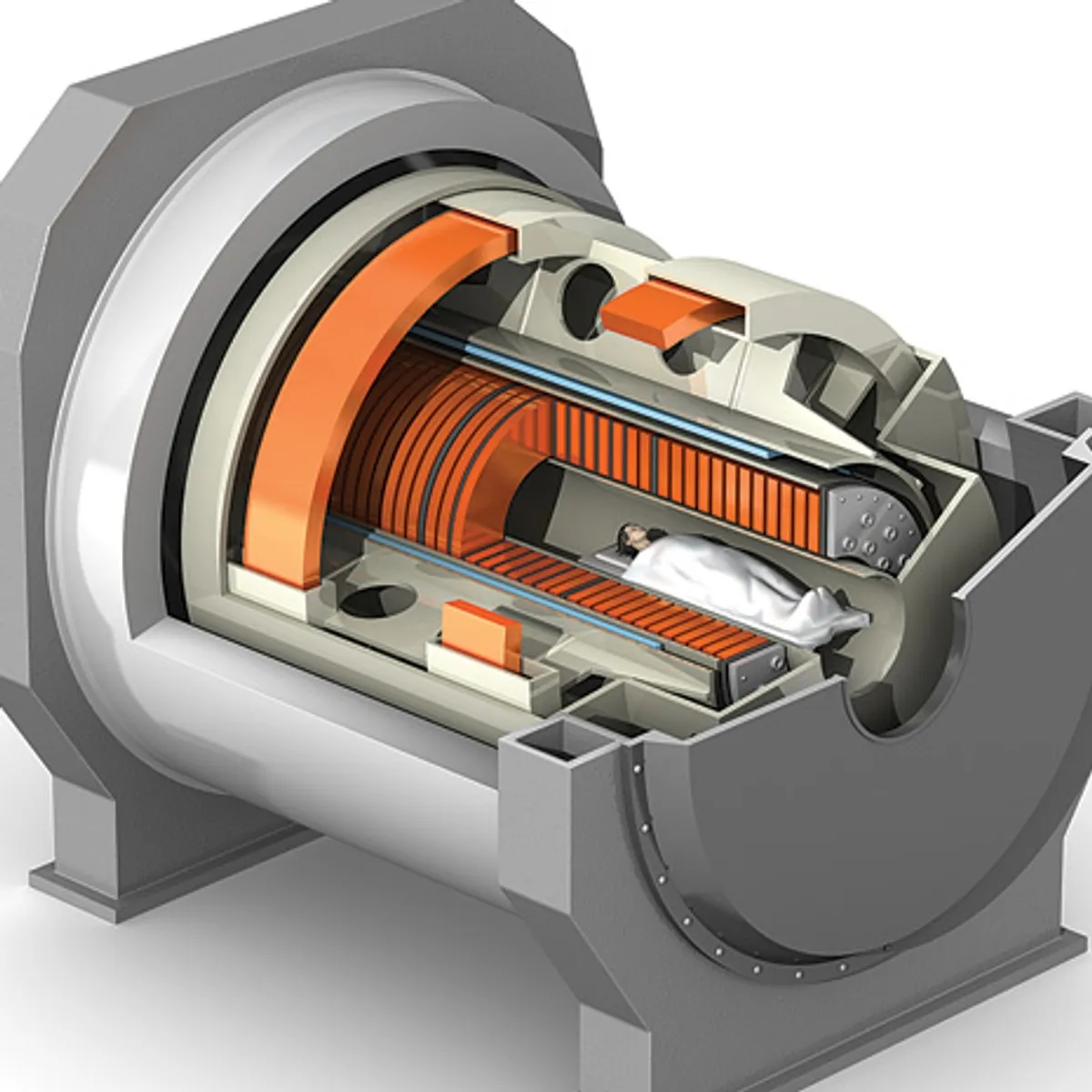
Superconducting magnets are pivotal in biomedical applications, ranging from diagnostic MRI to structural analysis via NMR spectroscopy. A core focus of my research lies in the development of high-field, compact superconducting magnets, aiming to enhance both the performance and spatial efficiency of next-generation biomedical instrumentation. The goal is to push the boundaries of medical diagnostics and foster new possibilities in healthcare technology.
- MRI
- NMR
- FT-ICR
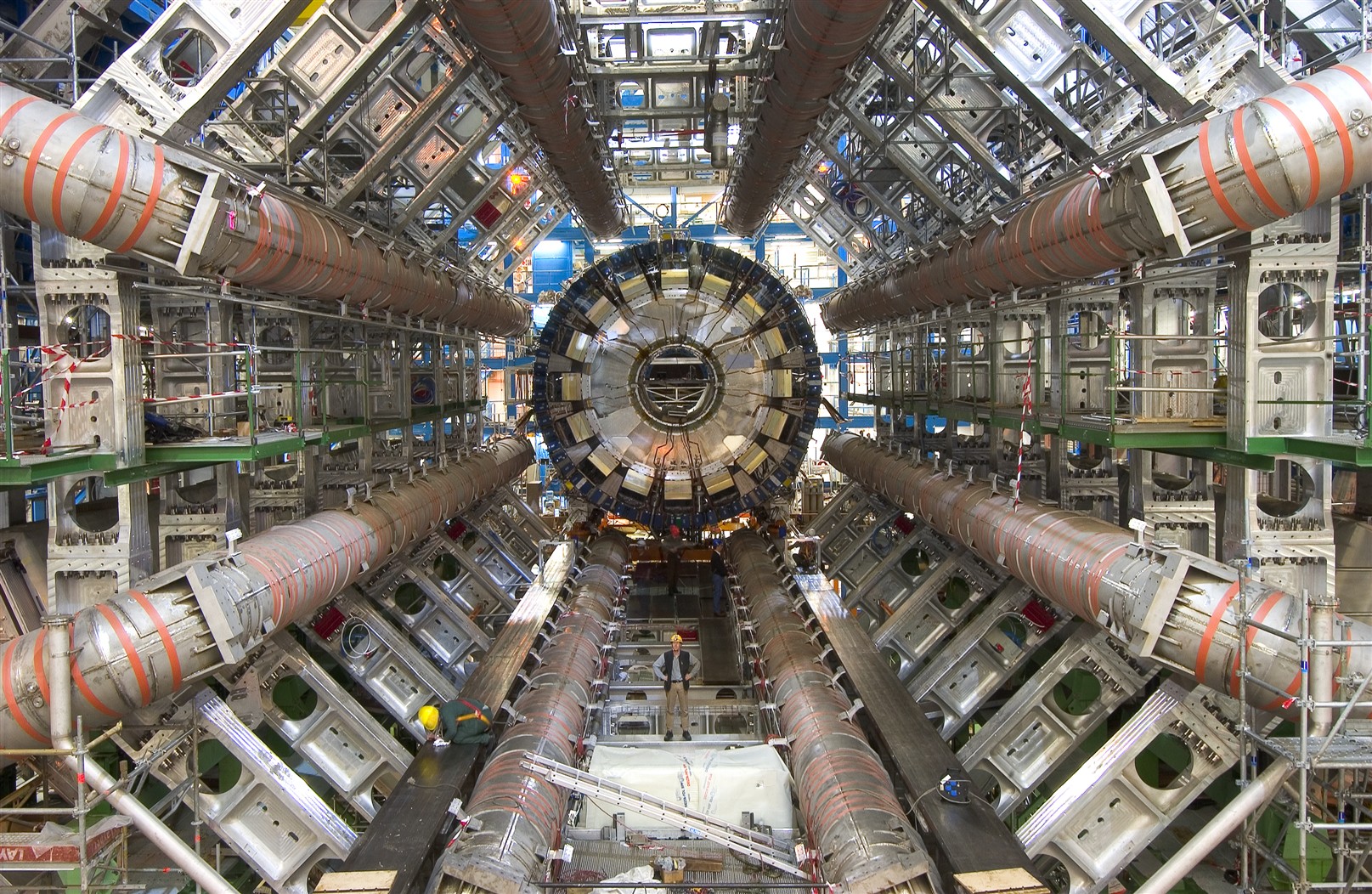
Particle accelerators are essential tools for uncovering the fundamental laws of physics. As future colliders demand significantly higher energy levels within constrained footprints, my research focuses on developing HTS magnets that can provide ultra-high magnetic fields. By engineering compact and thermally robust HTS magnet systems, we aim to overcome the physical limitations of conventional accelerators and enable the next leap in high-energy physics discoveries.
- Colliders
- Storage rings
- Proton Therapy
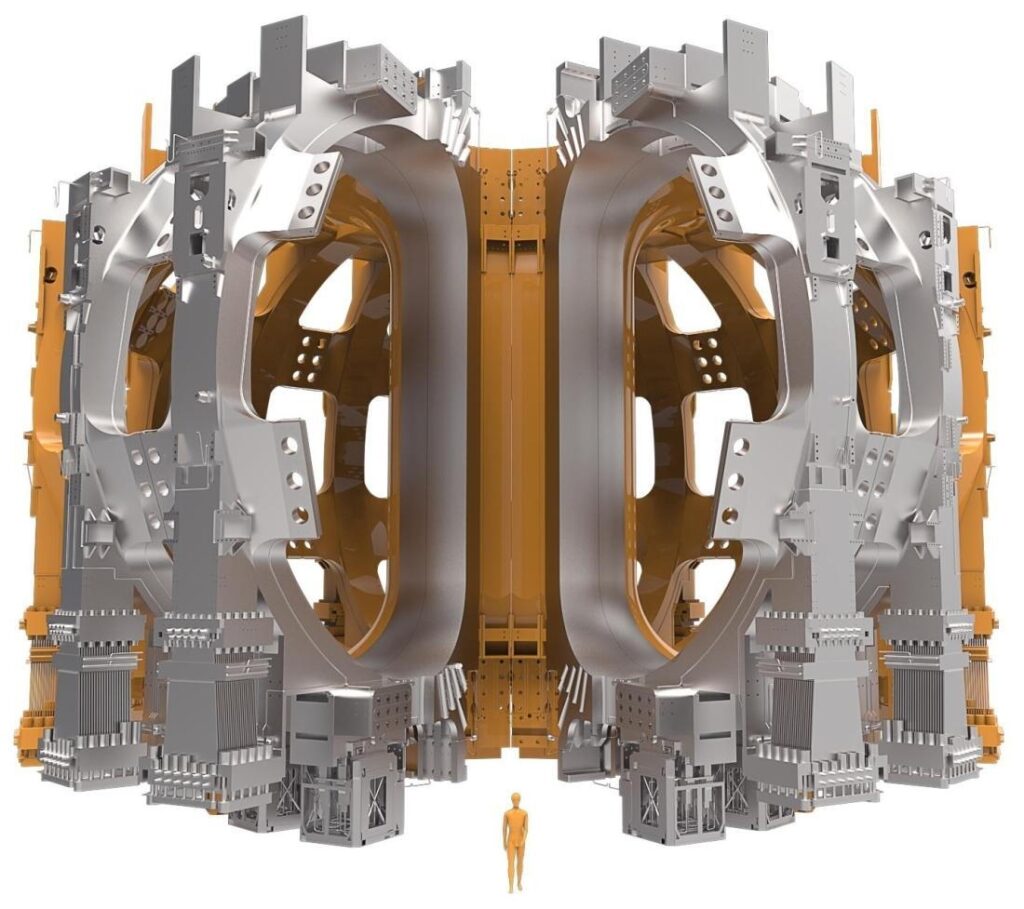
Nuclear fusion holds the promise of providing clean, limitless energy for the future. To achieve sustained fusion reactions, superconducting magnets must create and maintain extreme magnetic fields for stable plasma confinement. Our research group is dedicated to designing high-performance HTS coils that can operate reliably under the intense radiation and thermal environments of a fusion reactor. We strive to develop the magnet technology necessary to make compact and commercially viable fusion energy a reality.
- Tokamak
- Stellarator
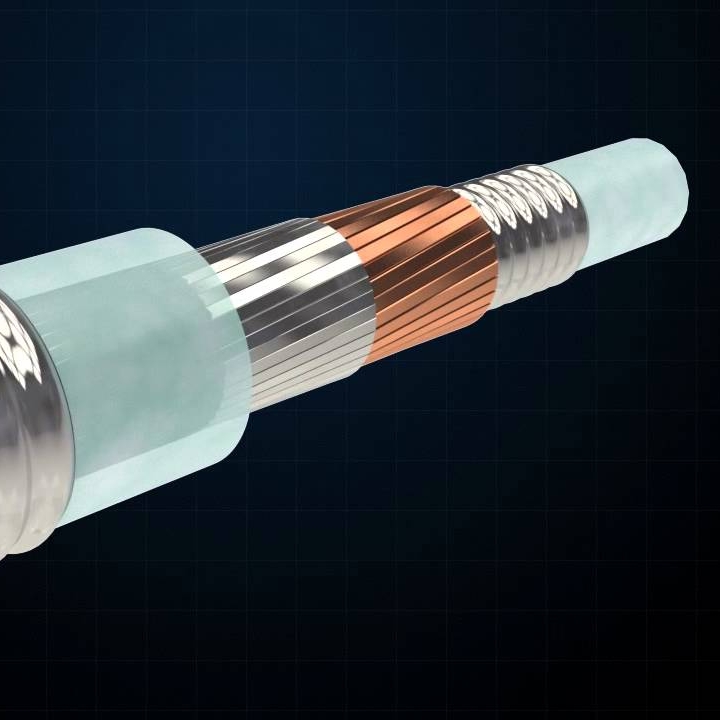
Modern power utilities are increasingly adopting HTS technology to enhance grid reliability through innovative transformers and fault current limiters. My research focuses on developing next-generation HTS fault limiters capable of responding within milliseconds to suppress surges of tens of thousands of amperes. By leveraging these nearly instantaneous response times, we aim to protect critical infrastructure and ensure the stability of increasingly complex power networks.
- Superconducting magnetic energy storage
- Fault current limiters
- Transformers
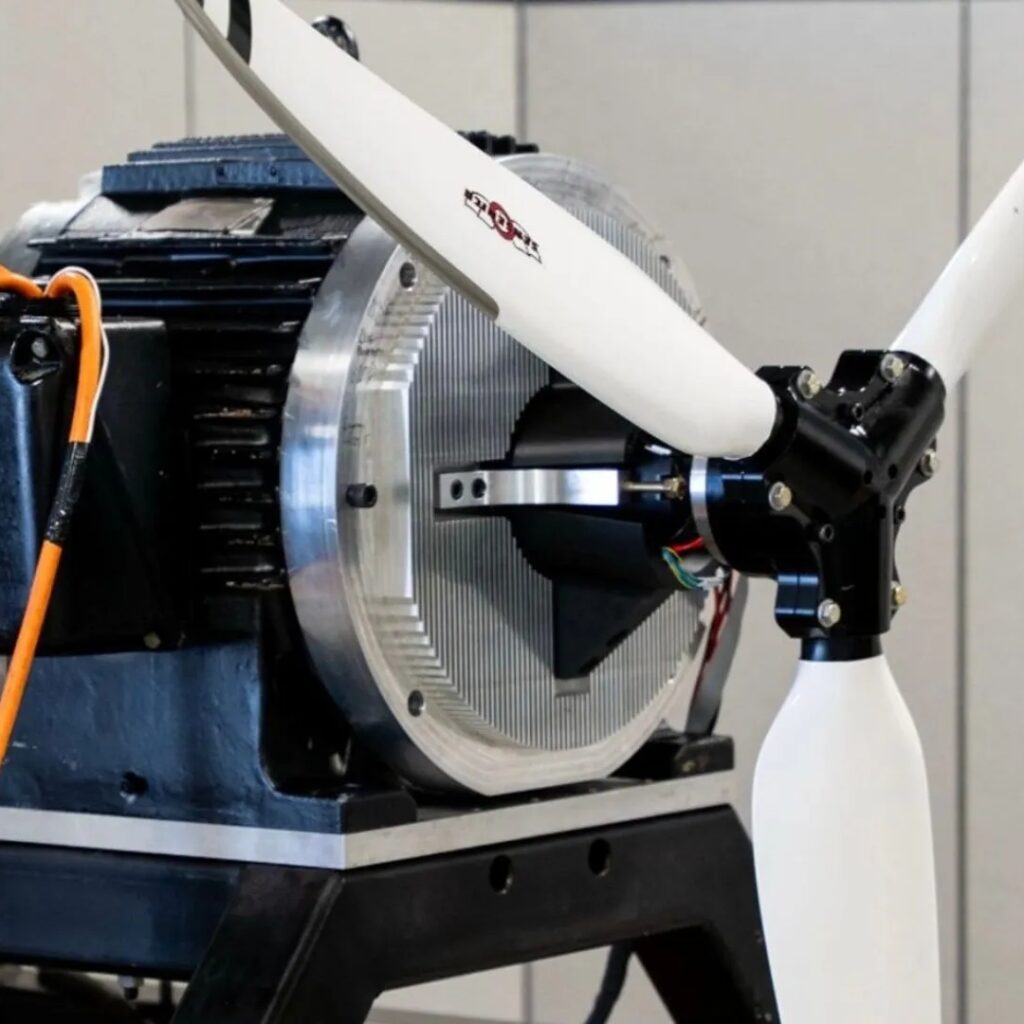
Superconducting rotating machines offer unparalleled efficiency and power density by leveraging the zero DC loss and high current capacity of superconducting wires. Unlike conventional machines, where magnetic flux density is constrained by iron core saturation, superconducting systems enable ultra-high air-gap field intensity within a significantly reduced volume. My research focuses on developing these lightweight, high-efficiency motors and generators.
- Ship propulsion
- EV, UAM
- Wind turbine generator